The Basics of Internet Infrastructure
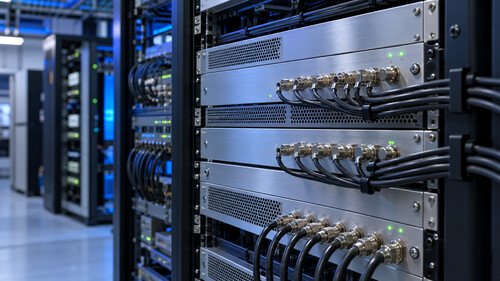
The Internet functions as a complex network that connects millions of devices around the globe, relying heavily on various foundational components. At its core, servers, routers, and data centers play crucial roles in the transmission and management of data. Servers are specialized computers that store web content and applications, responding to requests from users, effectively delivering the required information. They act as the backbone of the Internet, enabling accessibility to websites and online services.
Routers, on the other hand, serve as traffic directors. They manage data packets that travel between servers and users, ensuring that information arrives at its intended destination efficiently. Each router contains a unique identifier that allows it to determine the optimal path for data, minimizing delays and improving communication speed. Together, servers and routers collaborate to facilitate the seamless exchange of data across the Internet.
Another critical component is data centers, which house thousands of servers and networking equipment. These facilities are strategically located to ensure minimal latency and maximum efficiency. Data centers not only store data but also feature advanced security measures and substantial power resources to ensure continued operation. The physical connections that bind all these components together are essential. Fiber-optic cables, for instance, transmit data as light signals, allowing for rapid data transfer over vast distances. Additionally, satellites provide connectivity for remote areas, further bridging the digital divide.
In essence, the interaction of these critical elements forms the Internet’s foundation, allowing global connectivity and enabling diverse online experiences. Understanding this infrastructure is paramount to comprehending how information traverses the digital landscape, highlighting the technological marvel that supports modern communication.
How Data Travels Across the Internet
The journey of data across the Internet is a highly organized and efficient process that relies on various protocols and systems. At the core of this mechanism is the concept of packets. When a user sends information, such as an email or a request to access a webpage, the data is divided into smaller, manageable units called packets. Each packet contains not only a portion of the overall data but also essential metadata, including the destination address and sequencing information, which allows for accurate reconstruction once the data arrives at its final location.
The Transmission Control Protocol/Internet Protocol (TCP/IP) suite plays a crucial role in managing how data packets are transmitted over the Internet. TCP ensures reliable transmission by establishing a connection between the sender and receiver, confirming the successful delivery of packets, and reordering them if necessary. This reliability is vital for activities requiring precision, such as online banking or video streaming.
On the other hand, IP is responsible for addressing and routing packets across vast networks. It determines the most efficient path for packets, which may take various routes across different networks before reaching their destination. Routers, which are specialized devices, facilitate this process by analyzing packet addresses and directing them through the optimal pathway. This routing mechanism ensures that even in cases of network congestion or failures, packets can be rerouted dynamically to reach their target effectively.
The seamless transmission of data across the Internet relies on this intricate framework of packets and protocols. By breaking information into smaller units and utilizing routing techniques, the Internet can deliver data swiftly and accurately, providing users with a smooth online experience.
The Role of Internet Service Providers (ISPs)
Internet Service Providers (ISPs) serve as the crucial link between users and the internet, enabling access to a myriad of online services and websites. They essentially act as intermediaries, facilitating the transmission of data and providing the necessary infrastructure for users to connect to the internet. ISPs can be broadly categorized into several types, with the most notable being cable, DSL (Digital Subscriber Line), and fiber-optic providers. Each type of ISP employs different technologies and methods to supply internet connectivity.
Cable ISPs utilize cable television lines to deliver internet service. This method allows for relatively high-speed connections, making them a popular choice for residential customers. DSL providers, in contrast, use existing telephone lines but are capable of offering high-speed internet by using a technology that transmits digital data. Fiber-optic ISPs represent the next generation of internet connectivity, utilizing strands of glass or plastic to transmit data as light, which allows for extremely high speeds and bandwidth capabilities.
When selecting an ISP, consumers often consider speed and service offerings. The speeds provided by ISPs can vary significantly, with fiber-optic connections typically offering the fastest options, followed by cable and DSL. Additionally, many ISPs provide various service plans that may include features such as data caps, customer support, and bundled services that include television and phone service. Understanding the differences among these ISPs and their offerings is essential for users who aim to maximize their internet experience.
Furthermore, ISPs rely on a vast network of infrastructure, often referred to as networking backbones, to connect to larger internet exchanges and facilitate data transfer. These backbones consist of high-capacity fiber-optic cables that form the backbone of internet connectivity worldwide, making it possible for ISPs to deliver seamless services to their customers.
Security and Privacy in the Online Environment
In today’s digital age, understanding the intricacies of security and privacy online is paramount. With a plethora of personal data being shared across the Internet, the need to protect oneself from various cyber threats has never been more critical. One of the primary measures for safeguarding online interactions is encryption, which ensures that data transmitted across networks is unreadable to unauthorized users. This process converts information into a secure format, allowing only those with the correct decryption keys to access it. For instance, HTTPS, a protocol that uses encryption to secure the communication between a user’s browser and the website, is essential for safe online transactions and browsing.
Alongside encryption, firewalls play a significant role in online security by acting as a barrier between a trusted internal network and untrusted external networks. They monitor incoming and outgoing traffic while blocking potential threats, working diligently to protect sensitive information from cybercriminals looking to exploit weaknesses. Despite these protective measures, various cybersecurity threats persist. Phishing attacks, which deceive users into revealing sensitive information through fraudulent emails or websites, remain one of the most prevalent tactics employed by hackers. Similarly, malware, which encompasses a range of malicious software types, poses significant risks to both individuals and organizations by compromising system integrity and confidentiality.
Moreover, protecting personal information online extends beyond technical measures; it requires an understanding of privacy laws and regulations that govern how data is collected, stored, and shared. Notable frameworks, such as the General Data Protection Regulation (GDPR), establish essential guidelines for data privacy and empower individuals to control their personal data. In light of these factors, users must remain vigilant and informed about their online presence, adopting best practices for security and privacy. Awareness and proactive measures can significantly reduce the potential risks associated with online activities.